


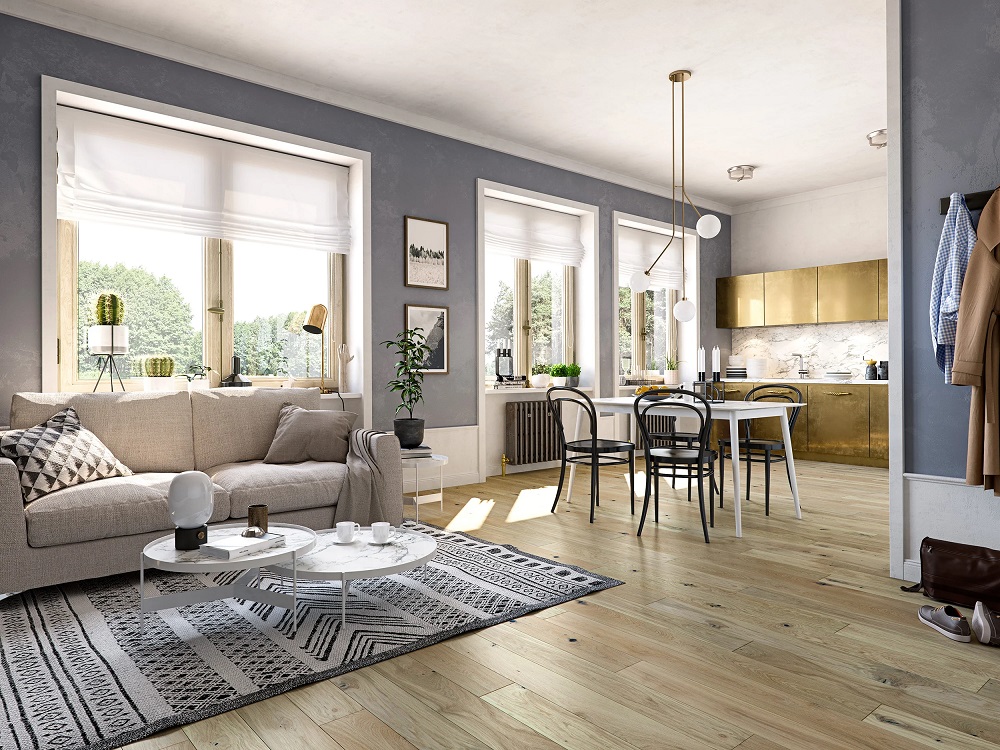
Floors do far more than support furniture and foot traffic. They quietly guide emotion, perception, and behavior the moment someone enters a space. Through texture and color, flooring becomes a psychological tool—capable of making rooms feel warmer or cooler, larger or more intimate, calmer or more energetic. Understanding this subtle influence helps homeowners and designers create interiors that feel right, not just look good.
Why Flooring Psychology Matters in Interior Design
Humans experience interiors from the ground up. The floor occupies a large visual field and provides constant tactile feedback, shaping first impressions and ongoing comfort.
Well-chosen flooring can:
-
Influence mood and emotional response
-
Alter perceived room size and proportions
-
Reinforce a space’s function and identity
-
Improve psychological comfort and usability
Ignoring flooring psychology often leads to rooms that feel “off” despite attractive furniture or décor.
The Role of Texture in Shaping Perception
Texture affects how a space feels both visually and physically. Even before touch, the eye interprets texture as a signal of comfort, formality, or durability.
Smooth vs. Textured Surfaces
Smooth flooring such as polished stone, vinyl, or glossy tiles:
-
Reflects more light, enhancing brightness
-
Feels modern, clean, and structured
-
Can appear cooler and more formal
Textured flooring like distressed wood, hand-scraped planks, or natural stone:
-
Absorbs light, adding visual depth
-
Creates warmth and approachability
-
Masks wear, dust, and imperfections more easily
Psychological Impact of Tactile Feedback
The sensation underfoot affects subconscious comfort:
-
Soft or cushioned floors (carpet, cork) encourage relaxation and lingering
-
Firm surfaces promote alertness and movement
-
Natural textures connect occupants to a sense of grounding and stability
This is why bedrooms often favor softer flooring, while kitchens and hallways rely on harder materials.
How Floor Color Influences Mood and Space
Color is one of the most powerful psychological cues in an interior. Flooring color sets the emotional baseline for the entire room.
Light vs. Dark Flooring
Light-colored floors:
-
Make rooms feel larger and airier
-
Reflect natural light efficiently
-
Evoke cleanliness, openness, and calm
Dark-colored floors:
-
Add depth and sophistication
-
Create intimacy and visual grounding
-
Work well in larger or well-lit spaces
Warm vs. Cool Tones
Floor color temperature subtly influences emotional response:
-
Warm tones (honey oak, beige, terracotta) feel welcoming and social
-
Cool tones (gray, slate, ash) feel calm, modern, and controlled
-
Neutral-balanced tones offer flexibility and timelessness
Choosing the wrong undertone can make a room feel sterile or overwhelming, even if the shade itself looks appealing.
Texture and Color Working Together
The strongest psychological impact comes from combining texture and color intentionally.
Examples of effective pairings:
-
Light color + subtle texture → openness without sterility
-
Dark color + pronounced grain → warmth with sophistication
-
Neutral color + organic texture → balance and comfort
-
Glossy finish + cool tone → sleek, contemporary energy
Ignoring this relationship often results in spaces that feel flat or emotionally mismatched.
Flooring Choices by Room Function
Different rooms demand different psychological responses.
Living rooms
-
Medium-tone wood or textured laminate for warmth and sociability
Bedrooms
-
Soft textures and muted colors to encourage rest
Kitchens
-
Smooth, durable floors with moderate contrast for cleanliness and focus
Bathrooms
-
Cool tones with subtle texture to convey freshness and safety
Workspaces
-
Neutral, low-gloss surfaces that minimize distraction
Common Psychological Mistakes in Flooring Selection
Avoid these frequent missteps:
-
Choosing flooring color without considering lighting conditions
-
Overusing dark floors in small or poorly lit rooms
-
Ignoring how texture affects sound and comfort
-
Prioritizing trends over long-term emotional comfort
Flooring decisions should support daily living, not just visual appeal.
The Emotional Longevity of Flooring
Unlike paint or décor, floors are long-term elements. Their psychological impact compounds over time.
A well-chosen floor:
-
Feels good every single day
-
Reduces visual and sensory fatigue
-
Supports the evolving use of a space
Poor flooring choices often become subconscious irritants rather than obvious design flaws.
Frequently Asked Questions
How does flooring affect the perceived size of a room?
Light colors and minimal texture reflect light and reduce visual boundaries, making rooms feel larger and more open.
Can textured flooring make a space feel cluttered?
Yes, heavy texture in small or busy rooms can feel visually overwhelming. Balance is essential.
Are neutral floors psychologically safer than bold colors?
Neutral floors are more adaptable, but bold colors can be effective when paired with simple textures and furnishings.
Does flooring color influence temperature perception?
Warm tones make spaces feel psychologically warmer, while cool tones can make them feel cooler, regardless of actual temperature.
How important is finish (matte vs. glossy) in perception?
Finish affects light reflection, mood, and formality. Matte feels relaxed; glossy feels energetic and refined.
Can flooring impact stress levels?
Yes. Softer textures and harmonious colors reduce sensory stress, while harsh contrasts and cold materials can increase it.
Is natural flooring always better psychologically?
Natural materials often feel grounding, but comfort depends on context, maintenance, and how well they match the space’s function.