


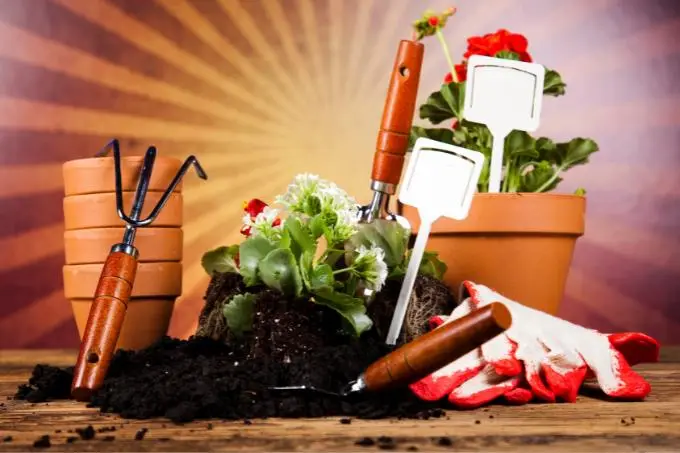
Transforming your home into a personal sanctuary requires attention to both the interior and exterior spaces. While interior decor and furnishings often take the spotlight, your garden or outdoor areas can play a crucial role in enhancing the overall ambiance of your property. Whether you’re looking to add color, create a serene retreat, or grow your own food, seeds and gardening tools are the two key ingredients that will help you achieve these goals.
By focusing on the right seeds and using the proper tools, you can create a thriving, beautiful garden that improves your home’s curb appeal, promotes relaxation, and even contributes to sustainability. This article will explore how to improve your home with seeds and tools, focusing on how to choose the right varieties, prepare your garden, and select the most efficient equipment to make the process smoother and more enjoyable.
1. Choosing the Right Seeds for Your Home Garden
The foundation of any successful garden starts with the selection of seeds. Choosing the right seeds will depend on various factors such as your climate, the type of garden you wish to create, and the level of maintenance you’re willing to commit to. There are a few key things to consider when selecting seeds:
A. Climate Compatibility
First and foremost, it is essential to choose seeds that are well-suited for your local climate. Certain plants thrive in specific environments, and understanding your region’s growing conditions will help you select plants that are most likely to flourish.
If you live in a colder climate, you may want to focus on cold-hardy plants such as kale, spinach, and certain varieties of peas. On the other hand, warmer climates may allow for the growth of heat-loving plants like tomatoes, peppers, and herbs like basil.
Most seed packets will indicate the recommended growing zones for the plants, making it easy to identify what will work best for your home. Pay attention to the plant’s needs regarding temperature, sunlight, and water to ensure they are suited to your environment.
B. Purpose and Aesthetics
Consider what you want to achieve with your garden. Do you want vibrant flowers to enhance your front yard’s appearance? Or are you more interested in growing fresh herbs and vegetables for your kitchen? The seeds you choose should align with the purpose of your garden.
-
Flowering Plants: If your goal is to create a colorful, fragrant garden, flowering seeds like lavender, marigolds, and sunflowers can be an excellent choice. These plants not only add aesthetic value but also attract pollinators like bees and butterflies.
-
Vegetables and Herbs: For a functional garden that produces food, consider growing vegetables such as tomatoes, lettuce, carrots, or cucumbers. Herbs like mint, thyme, and rosemary are perfect for culinary use and can be easily grown in small spaces or containers.
-
Perennials vs. Annuals: Perennial plants return year after year, providing long-term beauty and functionality, while annuals need to be replanted every season. Deciding between the two will impact the amount of time and effort required to maintain your garden. A combination of both can provide variety and consistency in your outdoor space.
C. Sustainability Considerations
If you’re focused on sustainability, look for heirloom or organic seeds. These seeds are often non-GMO and are grown without synthetic fertilizers or pesticides. They’re ideal for environmentally conscious gardeners who want to contribute to healthier ecosystems.
Additionally, consider drought-resistant or native plants that require less water and maintenance, reducing the environmental impact of your garden while still creating a beautiful space.
2. Preparing Your Garden Space
Once you’ve selected the seeds for your garden, preparing the space is the next step. A well-prepared garden ensures that the seeds have the best chance of germination and healthy growth.
A. Soil Preparation
The soil is the foundation of any garden. Rich, well-draining soil promotes root growth and supports healthy plants. Start by testing the soil’s pH to determine if it needs to be adjusted. Many garden centers offer soil test kits to help you determine the best amendments for your soil type.
-
Composting: Adding organic matter such as compost or well-rotted manure will improve soil structure, increase nutrient availability, and enhance moisture retention. Compost also helps create a thriving environment for beneficial microorganisms that are essential for plant health.
-
Aeration: If your soil is compacted, consider aerating it before planting. Aerating the soil allows air, water, and nutrients to penetrate deeper into the ground, giving your plants a better chance to grow strong roots.
-
Mulching: Applying a layer of mulch on top of the soil helps to retain moisture, suppress weeds, and regulate temperature. Mulch also slowly decomposes, adding valuable nutrients to the soil over time.
B. Garden Layout
Designing the layout of your garden is equally important. Proper spacing between plants ensures that they receive adequate sunlight, air circulation, and room to grow. Consult seed packets for the recommended spacing requirements for each plant.
Create paths or raised beds to allow easy access to all areas of the garden, and consider how much sunlight each section of your garden receives. Some plants require full sun, while others thrive in shaded areas. By understanding the sun exposure in your garden, you can place plants accordingly to ensure they get the best growing conditions.
3. Essential Gardening Tools for Success
Having the right tools is critical for any gardener. Proper equipment makes gardening more efficient, reduces strain on your body, and ensures that your plants are cared for properly. Here are some must-have tools for home gardening:
A. Basic Gardening Tools
-
Shovel: A sturdy shovel is essential for digging holes, turning soil, and planting. It can also be used for edging garden beds and removing weeds.
-
Trowel: A hand trowel is perfect for smaller tasks such as transplanting seedlings, digging small holes, and breaking up compacted soil.
-
Rake: A rake is useful for leveling soil, gathering leaves, and spreading mulch or compost evenly across the garden.
-
Pruning Shears: Pruning shears are necessary for trimming dead or diseased branches, as well as shaping plants. Regular pruning encourages healthy growth and prevents overgrowth that can crowd out other plants.
-
Watering Can or Hose: A reliable watering can is essential for keeping your plants hydrated, especially during dry spells. For larger gardens, a hose with an adjustable nozzle can make watering more efficient and precise.
B. Specialized Tools for Specific Tasks
-
Weeder: A weeder helps you remove weeds from the root, ensuring that they don’t regrow and compete with your plants for nutrients. There are various types, including hand-held models and tools with longer handles for ease of use.
-
Garden Fork: A garden fork is helpful for loosening compacted soil, aerating garden beds, and turning compost. It’s especially useful in heavy or clay soil.
-
Wheelbarrow: For larger gardening projects, a wheelbarrow is invaluable for transporting soil, mulch, compost, and plants. It saves time and effort, especially when moving heavy or bulky materials.
-
Soil Moisture Meter: This tool helps you gauge whether your soil is too dry or too wet. Overwatering or underwatering can stress plants, so having a moisture meter ensures that you’re providing the right amount of hydration.
4. Maintaining Your Garden
Once your garden is established, regular maintenance is key to keeping it healthy. Make sure to:
-
Water Consistently: Regular, deep watering encourages strong root systems. Water early in the morning or late in the afternoon to prevent evaporation during the heat of the day.
-
Weed Regularly: Weeds compete with your plants for nutrients, water, and sunlight. Keep them in check by pulling them out regularly or using a weeding tool to target the roots.
-
Monitor Plant Health: Regularly check your plants for signs of pests, disease, or nutrient deficiencies. Early detection allows you to address problems before they spread.
-
Fertilize: While organic compost provides many nutrients, some plants may still require additional feeding, particularly during the growing season. Use organic fertilizers that support soil health without harming the environment.
5. Enjoying the Fruits of Your Labor
As your garden grows, so will your enjoyment of it. Gardening is a rewarding activity that can improve both the look and feel of your home. Whether you’re growing flowers for beauty, herbs for your kitchen, or vegetables for your family’s table, the effort you put into selecting the right seeds and tools will pay off in a vibrant and flourishing garden. The satisfaction of watching your plants grow and knowing that you’ve contributed to the natural beauty of your surroundings is one of the greatest joys of gardening.
Conclusion
Improving your home with seeds and tools is a fulfilling and effective way to enhance both your outdoor space and your lifestyle. The right selection of seeds, combined with the proper tools, can lead to a thriving, sustainable garden that elevates your home’s curb appeal and provides numerous benefits. Whether you are a novice gardener or an experienced green thumb, taking the time to carefully plan, prepare, and care for your garden will result in a beautiful and rewarding outdoor retreat.