


Future-proofing your home is about making smart, strategic upgrades that protect its long-term value without spending more than you can reasonably recoup. The goal isn’t luxury for luxury’s sake—it’s functionality, efficiency, and broad appeal. Homeowners who focus on timeless improvements tend to see stronger returns and fewer regrets.
This guide explores high-impact home improvement projects that increase resale value, enhance livability, and avoid the costly trap of overcapitalization.
Understanding Overcapitalization Before You Renovate
Overcapitalization happens when renovation costs exceed the value they add to your property. This often occurs when upgrades are too personalized, overly luxurious, or out of step with neighborhood standards.
Key principles to avoid it:
-
Renovate for your market, not just personal taste
-
Prioritize function and efficiency over extravagance
-
Choose upgrades with proven buyer demand
A clear plan grounded in practicality keeps renovations profitable.
Energy-Efficient Upgrades That Pay Off
Energy efficiency consistently ranks among the most desirable features for buyers. These upgrades lower utility costs while improving environmental performance.
Value-driven projects include:
-
High-performance insulation in attics and walls
-
Energy-efficient windows and doors with neutral frames
-
Smart thermostats that optimize heating and cooling
-
LED lighting systems throughout the home
These improvements are relatively affordable yet deliver strong returns because they reduce ongoing expenses.
Kitchens That Balance Style and Resale Value
The kitchen remains one of the most influential spaces in any home sale. However, full luxury remodels often fail to return their full cost.
Focus on mid-range upgrades:
-
Refacing or repainting cabinets in neutral tones
-
Installing durable countertops like quartz or solid surface
-
Updating hardware, faucets, and lighting fixtures
-
Improving layout flow without structural changes
Subtle modernization beats flashy design when resale value is the goal.
Bathroom Improvements With Universal Appeal
Bathrooms benefit from clean, functional updates rather than spa-level indulgence.
Smart upgrades include:
-
Walk-in showers with glass enclosures
-
Water-efficient toilets and fixtures
-
Modern vanities with ample storage
-
Neutral tiles that age well over time
Avoid expensive custom features that cater to niche preferences.
Smart Home Features Buyers Actually Want
Smart technology can boost value when it enhances convenience rather than complexity.
Buyer-friendly smart upgrades:
-
Video doorbells and smart locks
-
Integrated smoke and carbon monoxide detectors
-
Lighting systems with app-based controls
-
Basic security systems
Stick with widely adopted, easy-to-use technology that won’t feel outdated in a few years.
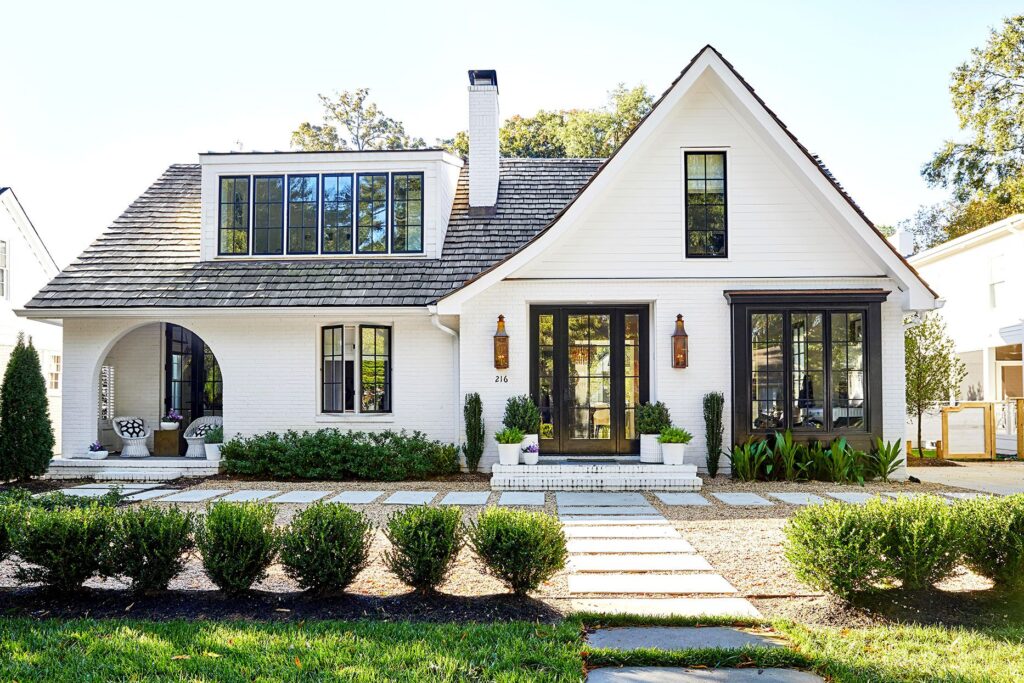
Exterior Enhancements That Strengthen First Impressions
Curb appeal plays a powerful role in perceived value. Exterior improvements often deliver outsized returns compared to their cost.
High-impact exterior projects:
-
Fresh exterior paint in classic color palettes
-
Low-maintenance landscaping with native plants
-
Updated front doors and garage doors
-
Improved outdoor lighting for safety and aesthetics
These upgrades attract buyers before they even step inside.
Structural and Maintenance Improvements That Protect Value
Invisible upgrades may not photograph well, but buyers and inspectors notice them.
Worthwhile investments include:
-
Roof repairs or replacement with long-life materials
-
Updated electrical panels and wiring
-
Modern plumbing where needed
-
Improved drainage and moisture control
These projects safeguard your home’s value and prevent future price negotiations.
Renovation Choices That Often Lead to Overcapitalizing
Some upgrades rarely deliver strong returns and should be approached cautiously.
Common pitfalls:
-
Highly customized rooms or themes
-
Luxury finishes far above neighborhood norms
-
Converting bedrooms into specialty spaces
-
Oversized additions without local demand
Keeping renovations flexible and neutral ensures broader buyer appeal.
Planning a Renovation Strategy That Makes Financial Sense
Before starting any project, evaluate:
-
Local property values and buyer expectations
-
Your likely ownership timeframe
-
Cost versus realistic resale benefit
A renovation that fits both your lifestyle and the local market is the safest investment.
Frequently Asked Questions
How do I know if a renovation will increase my home’s value?
Research local sales, consult real estate professionals, and prioritize upgrades with proven buyer demand such as kitchens, bathrooms, and energy efficiency.
Are DIY renovations a good way to avoid overcapitalizing?
DIY can reduce labor costs, but poor workmanship may reduce value. Only tackle projects within your skill level.
How much should I budget for value-focused renovations?
A common guideline is to keep total renovation spending below the potential increase in resale value, factoring in your neighborhood’s price ceiling.
Do smart home features really add resale value?
Yes, when they improve convenience and security without adding complexity or high maintenance costs.
Is it better to renovate before selling or leave it to the buyer?
Minor updates and repairs usually pay off, while major remodels depend on market conditions and buyer preferences.
Can energy-efficient upgrades increase appraisal value?
Many appraisers now factor in efficiency improvements, especially when they lower operating costs and extend system lifespans.
What renovations age the best over time?
Neutral design choices, durable materials, and functional layouts tend to remain appealing longer than trend-driven styles.