


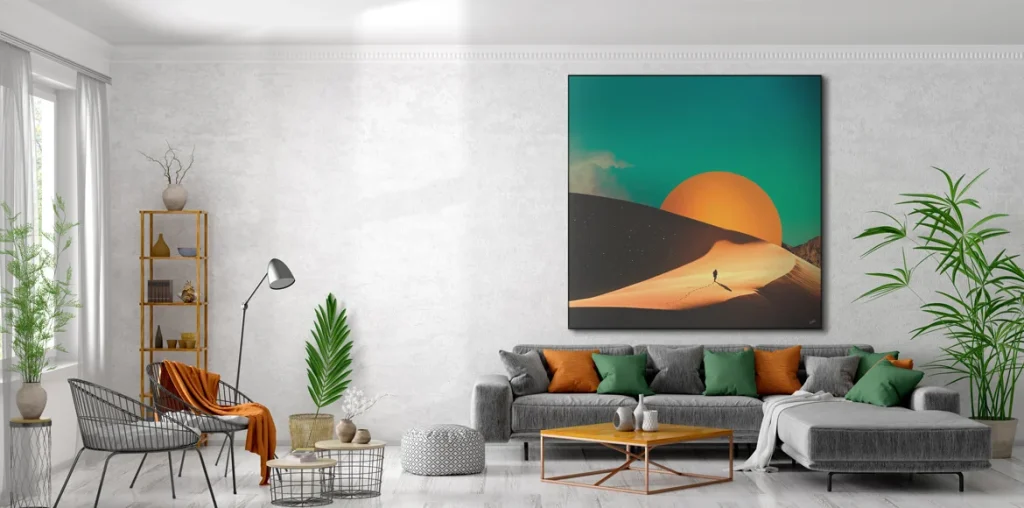
Wall art has long been an integral part of home decor, acting as a bridge between creativity and interior design. It serves as a way to express personality, add color and texture, and set the tone for the entire space. Whether you’re decorating a cozy apartment or an expansive estate, the right wall art can transform a room from mundane to extraordinary. But selecting the perfect pieces isn’t always as straightforward as picking a picture you like. It involves understanding aesthetics, style preferences, space requirements, and even the psychological impact of different designs.
This guide will walk you through everything you need to know about wall art, from choosing the right pieces to positioning them for maximum effect. Let’s explore how wall art can elevate your home decor in ways that go beyond mere decoration.
The Importance of Wall Art in Home Decor
Wall art is not just about filling empty space. It acts as a focal point in a room and contributes significantly to the mood and ambiance. In fact, the visual impact of well-chosen art can completely redefine a space. Art can evoke emotion, trigger memories, or inspire thought—all through color, form, and imagery. Whether it’s a painting, photograph, print, or tapestry, wall art can turn a generic living area into a personalized sanctuary that reflects your unique tastes and lifestyle.
Furthermore, wall art is versatile. It can complement or contrast with the rest of your decor. A carefully selected piece of art has the ability to tie together elements in the room or serve as a bold statement in an otherwise neutral space. The right artwork can make a room feel more inviting, cozy, and dynamic. In this way, wall art has the power to define the atmosphere of your home.
Choosing the Right Wall Art for Your Space
The process of selecting wall art involves both practical and aesthetic considerations. Here are some essential factors to keep in mind:
1. Style of the Room
Before choosing artwork, it’s crucial to understand the overall style of the room. Whether your decor is modern, traditional, bohemian, or eclectic, the wall art should align with the room’s vibe. For example, abstract art might work wonderfully in a minimalist or modern setting, while vintage botanical prints could enhance a cottage or farmhouse design.
2. Scale and Proportions
When choosing art, size matters. Large-scale artwork can dominate a space, while smaller pieces work well in more intimate areas or as part of a gallery wall. For large rooms or expansive walls, consider oversized art to create a bold impact. On the other hand, a series of smaller artworks can be hung together to create an organized, cohesive display.
It’s also important to consider the height at which the artwork will hang. Ideally, art should be hung at eye level to ensure it’s easily visible. However, if you’re working with a particularly high or low ceiling, you might need to adjust accordingly to maintain balance within the room.
3. Color Palette
Wall art has a significant role in enhancing the color scheme of your home. If your room features a neutral palette, bold and colorful art can introduce vibrancy and life. Conversely, if your space is already rich in color, more muted, subdued artwork may be a better choice to avoid visual overload.
Matching colors to existing decor elements like throw pillows, rugs, or curtains can help create a harmonious design. On the flip side, you could use wall art to create contrast or to bring attention to certain aspects of the room, such as furniture or lighting fixtures.
4. Theme and Subject Matter
Think about the message you want your art to convey. Do you want to focus on nature, abstract designs, cityscapes, portraits, or even something more whimsical or surreal? The theme of your art can influence the mood of the room. For example, serene nature landscapes can evoke calm and relaxation, making them ideal for bedrooms or bathrooms. Meanwhile, vibrant and energetic abstract pieces might suit an open-plan living room or a creative workspace.
Types of Wall Art to Consider
With countless styles and formats to choose from, it can be difficult to narrow down your options. Below are some of the most popular types of wall art:
1. Paintings
Paintings remain one of the most timeless forms of wall art. Whether it’s a traditional oil painting or a contemporary acrylic, the medium used adds texture, depth, and richness. A painting often carries a certain uniqueness that digital reproductions or prints cannot replicate. This makes paintings an investment for those who appreciate artistry and craftsmanship.
2. Photographs
Photography has become an increasingly popular form of wall art. Whether capturing the beauty of nature, the vibrancy of urban life, or the quiet moments in between, photography can be deeply moving. Black-and-white photographs are a classic choice that adds sophistication to any room, while color photographs can bring a sense of modernity and life to your walls.
3. Prints and Posters
For those who appreciate art but may not have the budget for an original painting or photograph, prints and posters offer an affordable alternative. They come in various sizes and can feature anything from iconic pieces of fine art to contemporary graphic designs. Limited-edition prints can be a great option for collectors who are looking for something more exclusive.
4. Wall Murals and Tapestries
Wall murals and tapestries are a fantastic way to add both texture and drama to a room. Whether it’s a handwoven tapestry or a large-scale printed mural, these types of wall art create a striking visual effect. They are especially ideal for large walls, where they can cover an entire space, making the room feel more immersive.
5. Sculptures and 3D Art
Sculptures and 3D wall art are a great way to add dimension to your walls. These pieces create a more dynamic and interactive experience compared to traditional flat art. Metal, wood, and even fabric sculptures can bring depth and interest to your space, creating visual variety alongside your two-dimensional pieces.
Creating a Gallery Wall
Gallery walls are an artful way to display multiple pieces in a cohesive, visually appealing manner. They allow you to combine different sizes and styles of art, provided they share a common thread, such as color, theme, or framing. When creating a gallery wall, consider spacing between frames to ensure each piece stands out while contributing to the overall design. A well-designed gallery wall can become a signature feature of a room.
Tips for Displaying Wall Art
The way you hang your artwork is just as important as the art itself. Here are some tips to help you display your pieces effectively:
-
Symmetry vs. Asymmetry: Symmetrical arrangements create a sense of balance and order, while asymmetrical layouts add energy and movement to a space. Both approaches can work depending on the overall mood you want to create.
-
Consider the Lighting: Art needs proper lighting to truly shine. Consider adding spotlights or track lighting to highlight your pieces, ensuring they stand out without casting harsh shadows.
-
Frames Matter: Choose frames that complement the art without overpowering it. The frame should align with the room’s style and the artwork’s tone. For example, sleek, modern frames work well for minimalist art, while ornate frames may be more fitting for classical pieces.
Final Thoughts
Wall art is more than just a decorative addition to your home. It’s a powerful tool for setting the atmosphere, expressing your personality, and enhancing the overall aesthetic of a space. When thoughtfully selected and displayed, wall art can turn any room into a work of art itself. Whether you opt for classic paintings, modern prints, or avant-garde sculptures, the possibilities are endless. By considering the style, size, color, and placement of your artwork, you can create a space that is visually stimulating, emotionally resonant, and uniquely yours.