


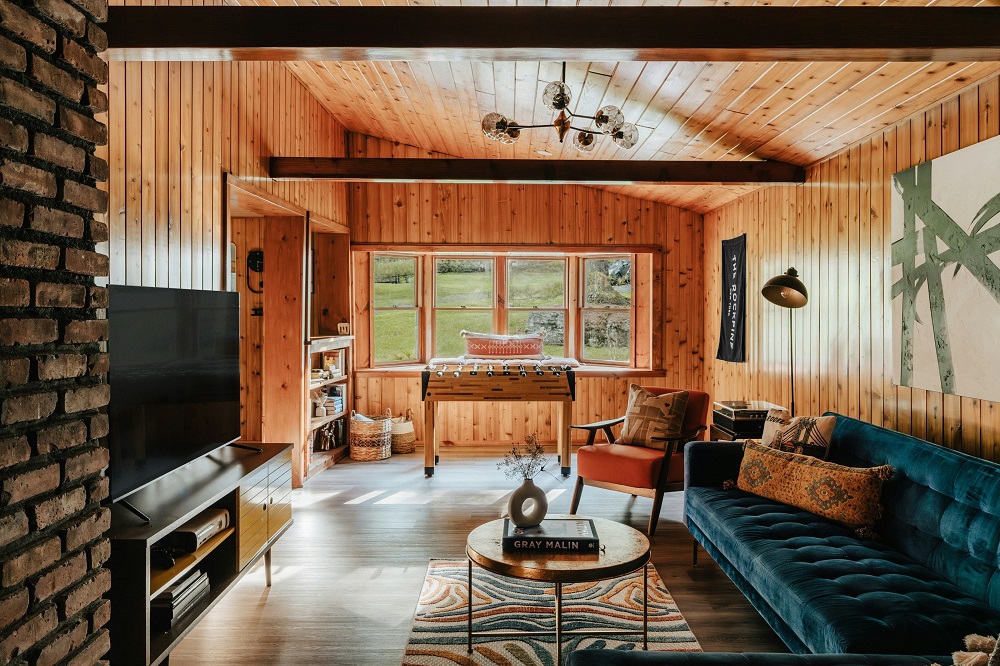
Modern interiors are increasingly moving away from sterile, over-designed environments toward spaces that feel grounded, calming, and alive. One of the most effective ways to achieve this balance is by integrating natural elements into interior design. From raw materials to organic textures and living greenery, nature-inspired interiors foster comfort, visual warmth, and emotional well-being.
Why Nature-Inspired Interiors Matter
Humans are instinctively drawn to nature. This connection influences how we feel inside a space—our mood, focus, and sense of relaxation. Interiors that reflect natural forms and materials tend to feel more inviting and less overwhelming.
Key benefits include:
- Improved mental well-being and reduced stress
- Enhanced visual harmony and balance
- Timeless design that ages gracefully
- Stronger connection between indoor and outdoor environments
Natural Materials That Anchor a Space
Wood: Warmth and Authenticity
Wood introduces an unmistakable sense of warmth. Whether polished or unfinished, it adds texture and character without overpowering a room.
Popular applications include:
- Hardwood or engineered wood flooring
- Exposed ceiling beams
- Wooden wall panels or slatted features
- Solid wood furniture and shelving
Lighter woods such as oak and maple create airy spaces, while darker woods like walnut add depth and sophistication.
Stone: Strength and Timeless Beauty
Stone surfaces bring permanence and organic variation into interiors. No two slabs are identical, which adds visual interest and authenticity.
Common uses:
- Stone accent walls
- Marble or granite countertops
- Slate or limestone flooring
- Stone fireplaces as focal points
Stone pairs exceptionally well with wood, balancing softness with structure.
Living Elements That Breathe Life Indoors
Indoor Plants: Nature’s Most Powerful Accent
Plants are one of the simplest yet most impactful ways to bring the outdoors inside. They introduce movement, color, and vitality.
Effective plant choices include:
- Large statement plants like fiddle-leaf figs or rubber plants
- Hanging plants for vertical interest
- Herb gardens in kitchens
- Low-maintenance options such as snake plants or pothos
Beyond aesthetics, plants improve air quality and soften hard architectural lines.
Natural Light: The Invisible Design Element
Light shapes how we experience a space. Maximizing daylight enhances natural materials and creates a dynamic environment throughout the day.
Ways to amplify natural light:
- Large windows or sliding glass doors
- Sheer or linen curtains
- Reflective surfaces that bounce light
- Open-plan layouts that reduce visual barriers
Earth-Inspired Colors and Textures
Organic Color Palettes
Nature-inspired interiors favor earthy, muted tones that feel restful rather than overpowering.
Popular choices include:
- Warm whites and soft beiges
- Clay, terracotta, and sand tones
- Olive green and sage
- Muted blues inspired by sky and water
These colors work as versatile backdrops that allow textures and materials to stand out.
Textiles with Natural Origins
Soft furnishings play a critical role in reinforcing a natural aesthetic.
Look for:
- Linen or cotton curtains
- Wool or jute rugs
- Leather or canvas upholstery
- Handwoven or imperfect textures
These materials add depth and tactility while maintaining visual simplicity.
Designing with Balance in Mind
Incorporating natural elements doesn’t mean turning your home into a jungle or a rustic cabin. Balance is essential.
Design tips to keep spaces refined:
- Mix natural elements with modern finishes
- Limit the palette to avoid visual clutter
- Use nature as an accent, not excess
- Prioritize quality over quantity
When thoughtfully applied, natural elements enhance rather than overwhelm a space.
Sustainable Choices for Modern Living
Nature-inspired interiors often align with sustainability. Choosing responsibly sourced materials and long-lasting designs reduces environmental impact while improving indoor comfort.
Consider:
- Reclaimed wood furniture
- Natural, low-VOC finishes
- Locally sourced stone and materials
- Durable pieces designed to age well
Sustainable design is not just ethical—it’s enduring and aesthetically rich.
Final Thoughts
Bringing the outdoors in is more than a design trend—it’s a philosophy rooted in well-being and balance. By embracing natural materials, living elements, and organic textures, interior spaces become more human, calming, and timeless. Even small changes can dramatically shift how a room feels, making nature an essential design partner rather than an afterthought.
Frequently Asked Questions
1. Can natural elements work in small apartments?
Yes, even small spaces benefit from natural textures, light woods, compact plants, and neutral earth tones without feeling crowded.
2. How do I maintain indoor plants with limited sunlight?
Choose low-light plants such as snake plants, ZZ plants, or pothos, and position them strategically near available light sources.
3. Are natural materials more expensive than synthetic ones?
While some can be costly upfront, natural materials often last longer and age better, making them cost-effective over time.
4. Can natural interiors still look modern?
Absolutely. Pairing clean lines and minimal layouts with organic materials creates a refined, contemporary aesthetic.
5. How do I prevent natural textures from looking messy?
Limit the number of textures used and stick to a cohesive color palette to maintain visual harmony.
6. What’s the easiest way to start incorporating nature indoors?
Start with indoor plants, natural textiles, or wooden accessories before committing to larger architectural changes.
7. Are nature-inspired interiors suitable for workspaces?
Yes, natural elements can improve focus, reduce stress, and create a more comfortable and productive work environment.