


For decades, pest control has been closely associated with chemical sprays and quick fixes. While these methods can deliver short-term relief, they rarely address the root causes of infestations. As pests adapt and resistance grows, the limitations of spray-only approaches become more apparent.
Integrated Pest Management (IPM) offers a smarter, more sustainable alternative. Instead of relying solely on chemicals, IPM focuses on prevention, monitoring, and targeted action—creating long-term protection for homes, businesses, and agricultural environments.
What Is Integrated Pest Management?
Integrated Pest Management is a holistic pest control strategy that combines multiple techniques to manage pests effectively while minimizing risks to people, property, and the environment.
Rather than aiming for total eradication, IPM works to keep pest populations below damaging levels through informed decision-making and strategic intervention.
Core Principles of IPM
IPM is built around several interconnected principles:
-
Prevention first by eliminating conditions that attract pests
-
Accurate pest identification to avoid unnecessary treatments
-
Ongoing monitoring to track pest activity
-
Threshold-based action, treating only when pests pose a real risk
-
Targeted control methods that reduce reliance on chemicals
This layered approach ensures pests are managed efficiently without overreacting or causing unintended harm.
Why Sprays Alone Fall Short
Chemical sprays can kill pests on contact, but they often fail to deliver lasting results. Over time, repeated spraying may even worsen the problem.
Common Limitations of Spray-Only Pest Control
-
Temporary results that don’t stop reinfestation
-
Resistance development in pests exposed repeatedly
-
Health concerns for humans and pets
-
Environmental impact on beneficial insects and soil
-
Missed root causes, such as entry points or food sources
Without addressing why pests are present, sprays simply become a recurring expense rather than a solution.
How IPM Creates Long-Term Protection
Integrated Pest Management shifts the focus from reaction to proactive defense. By addressing the entire ecosystem, IPM prevents pests from gaining a foothold in the first place.
1. Prevention Through Environmental Control
IPM begins by modifying the environment to make it less inviting to pests. This step alone can dramatically reduce infestations.
Common preventive actions include:
-
Sealing cracks, gaps, and entry points
-
Eliminating standing water and moisture issues
-
Proper food storage and waste management
-
Reducing clutter and harborage areas
When pests lack food, water, and shelter, their populations naturally decline.
2. Monitoring and Early Detection
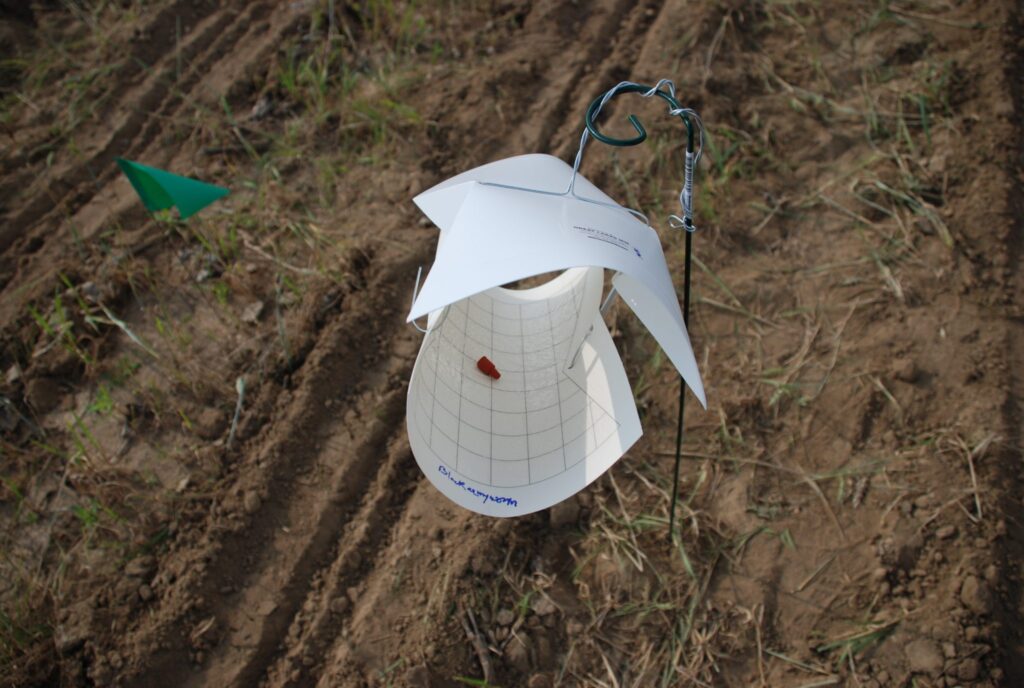
Regular monitoring is a cornerstone of IPM. Sticky traps, pheromone traps, and visual inspections help identify pest activity early—before it becomes a serious issue.
Early detection allows for precise, low-impact interventions, saving time and money while reducing chemical use.
3. Biological and Mechanical Controls
Instead of defaulting to chemicals, IPM emphasizes alternative controls whenever possible:
-
Biological controls, such as beneficial insects that prey on pests
-
Mechanical methods, including traps, barriers, and exclusion devices
-
Physical removal for localized infestations
These methods target pests directly without disrupting the surrounding environment.
4. Responsible, Targeted Chemical Use
When chemical treatments are necessary, IPM uses them strategically and sparingly. Products are selected based on the specific pest, applied only where needed, and timed for maximum effectiveness.
This approach reduces exposure risks and helps prevent pesticide resistance.
Benefits of Integrated Pest Management
The long-term advantages of IPM extend far beyond pest elimination.
Key Benefits Include:
-
Sustainable pest control with lasting results
-
Reduced chemical dependency
-
Improved safety for occupants, pets, and workers
-
Lower long-term costs due to fewer repeat treatments
-
Environmental protection, preserving beneficial species
By focusing on balance rather than brute force, IPM delivers reliable protection that evolves with changing conditions.
Where IPM Is Most Effective
Integrated Pest Management is highly adaptable and effective across many settings:
-
Residential homes dealing with ants, rodents, or cockroaches
-
Commercial properties such as offices, restaurants, and warehouses
-
Agricultural operations seeking to protect crops sustainably
-
Healthcare and educational facilities requiring low-risk solutions
Its flexibility makes IPM suitable for nearly any pest challenge.
The Future of Pest Control
As awareness of environmental responsibility and health safety grows, Integrated Pest Management is becoming the gold standard in pest control. It aligns modern science with practical solutions, ensuring protection today without creating problems tomorrow.
Moving beyond sprays isn’t just a trend—it’s a necessary evolution toward smarter, long-lasting pest management.
Frequently Asked Questions (FAQ)
1. Is Integrated Pest Management more expensive than traditional pest control?
Initially, IPM may require more assessment and planning, but it often costs less over time due to reduced repeat treatments and long-term prevention.
2. Can IPM completely eliminate pests?
IPM aims to control pests to acceptable levels rather than total eradication, which is often unrealistic and unnecessary.
3. How long does it take to see results with IPM?
Some improvements are immediate, while full benefits typically develop over weeks as prevention and monitoring take effect.
4. Is IPM safe for children and pets?
Yes. IPM prioritizes non-chemical methods and uses targeted treatments only when necessary, significantly reducing exposure risks.
5. Does IPM work for severe infestations?
Yes. IPM can handle severe infestations by combining monitoring, mechanical controls, and carefully selected treatments.
6. Can homeowners implement IPM themselves?
Basic IPM practices can be done independently, but complex infestations often benefit from professional expertise.
7. How often should IPM monitoring be conducted?
Monitoring frequency depends on the environment, but regular inspections—monthly or quarterly—are typically recommended for effective control.