


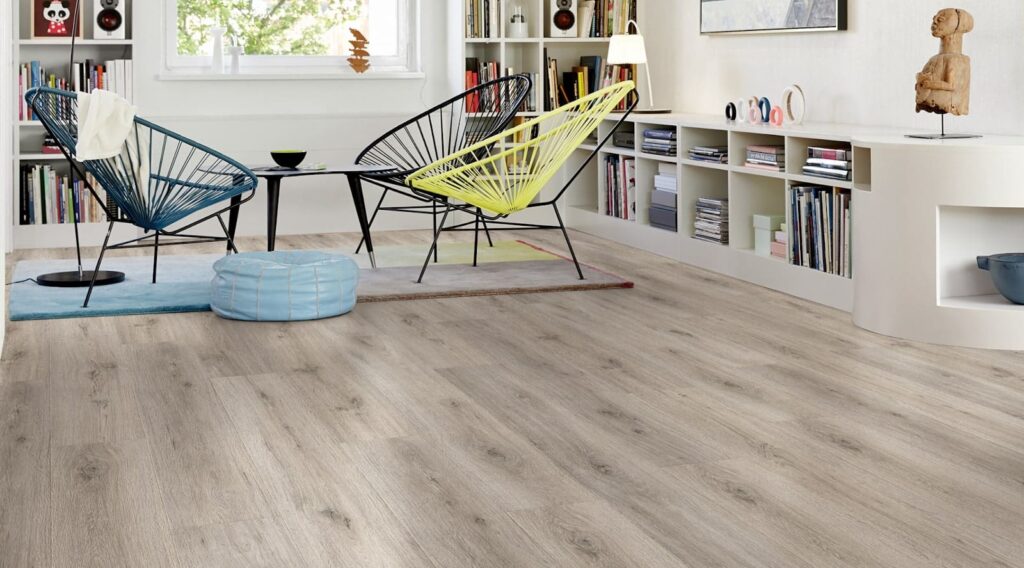
When people think about interior comfort, they often focus on furniture, lighting, or temperature control. Yet one of the most influential elements lies directly beneath our feet. Flooring choices quietly shape how a space feels, sounds, and functions every day, affecting everything from warmth and noise levels to overall well-being. Understanding this hidden influence helps homeowners and designers make smarter, more comfortable decisions.
The Connection Between Flooring and Indoor Comfort
Flooring plays a direct role in thermal comfort, physical ease, and even emotional perception of a space. Different materials respond uniquely to temperature, pressure, and movement.
Thermal Feel Underfoot
Some floors naturally feel warmer, while others draw heat away from the body.
-
Carpet and cork trap air, offering insulation and a cozy feel.
-
Tile, stone, and concrete tend to feel cooler, especially in colder climates.
-
Engineered wood and vinyl strike a balance, adapting well to radiant heating systems.
Choosing the right flooring can reduce reliance on heating systems and improve year-round comfort.
Physical Comfort and Fatigue
The hardness or flexibility of a floor affects how the body feels after prolonged standing or walking.
-
Softer surfaces reduce joint strain.
-
Slightly resilient materials absorb impact.
-
Very hard surfaces may cause fatigue over time in high-use areas.
Flooring and Acoustics: More Than Just Noise Control
Sound behaves differently depending on what it encounters. Flooring materials significantly influence acoustic comfort, shaping how noise travels and lingers indoors.
Sound Absorption vs. Sound Reflection
Every floor either absorbs or reflects sound waves.
-
Carpets and rugs absorb sound, reducing echoes and footstep noise.
-
Hardwood, tile, and laminate reflect sound, amplifying footsteps and voices.
-
Underlayments and pads can dramatically improve acoustics beneath hard floors.
This balance matters most in open-plan homes, apartments, and multi-story buildings.
Impact Noise and Room-to-Room Sound
Impact noise, such as footsteps or dropped objects, travels easily through rigid materials.
-
Thick carpets minimize impact transmission.
-
Rubber or foam underlays soften sound under hard surfaces.
-
Floating floors reduce vibration transfer between levels.
Comparing Common Flooring Materials
Each flooring type offers a distinct blend of comfort and acoustic performance.
Carpet
Best for: Bedrooms, family rooms, quiet spaces
-
Excellent sound absorption
-
Warm and soft underfoot
-
Requires regular cleaning
Hardwood and Engineered Wood
Best for: Living rooms, dining areas
-
Natural aesthetic appeal
-
Moderate acoustic reflection
-
Improved with rugs and underlays
Tile and Stone
Best for: Kitchens, bathrooms, warm climates
-
Cool and durable
-
High sound reflection
-
Benefits greatly from acoustic mats
Vinyl and Laminate
Best for: Versatile, budget-conscious spaces
-
Comfortable with padded backing
-
Moderate noise control
-
Wide design variety
How Subflooring and Underlayments Change Everything
The visible floor is only part of the story. What lies beneath can dramatically alter performance.
-
Acoustic underlayments reduce echo and impact noise.
-
Thermal barriers help retain warmth.
-
Moisture-resistant layers maintain comfort in humid areas.
Investing in quality underlayers often delivers greater comfort gains than changing the surface material alone.
Matching Flooring to Lifestyle and Space
The ideal flooring choice depends on how a space is used.
-
Homes with children or pets benefit from softer, quieter floors.
-
Apartments need strong impact-noise control.
-
Home offices require sound-dampening for focus.
-
High-traffic areas demand comfort without sacrificing durability.
Balancing comfort, acoustics, maintenance, and style leads to long-term satisfaction.
Designing for Comfort from the Ground Up
Flooring decisions shape daily experience in subtle but powerful ways. From reducing noise-related stress to improving warmth and physical comfort, the right choice supports both body and mind. Thoughtful selection transforms floors from passive surfaces into active contributors to indoor well-being.
Frequently Asked Questions
How does flooring affect indoor temperature?
Flooring materials influence heat retention and transfer. Softer materials insulate better, while dense surfaces feel cooler and may require supplemental heating.
Which flooring is best for reducing noise in apartments?
Carpet with thick padding or hard floors paired with high-quality acoustic underlayments work best to minimize impact noise.
Can rugs improve acoustics on hard floors?
Yes, area rugs significantly reduce echo and footstep noise while adding warmth and comfort.
Is vinyl flooring quieter than hardwood?
Vinyl often performs better acoustically, especially when it includes a built-in padded backing.
Do underlayments really make a difference?
Absolutely. Underlayments can improve sound absorption, thermal comfort, and overall floor longevity.
What flooring works best for home offices?
Carpet or cork provides excellent sound absorption, creating a quieter and more focused workspace.
How do I balance style with acoustic comfort?
Combining visually appealing hard floors with rugs, runners, and acoustic underlays offers both design flexibility and sound control.